| Сегодня 11 апреля, суббота |
      |
  
|

  
Какой рейтинг вас больше интересует?
|
Главная /
Каталог блоговCтраница блогера y10/Записи в блоге |



 |
y10
Голосов: 1 Адрес блога: http://hiina-iphone.blogspot.com/ Добавлен: 2012-07-13 20:09:16 блограйдером 1234zz |
в фотошопе сделать фото на паспорт
2015-05-16 21:04:00 (читать в оригинале)


Половое бессилие
2015-05-15 09:58:00 (читать в оригинале)Упорядочить режим труда и отдыха. Сон не менее 8—9 часов в сутки. Физическая активность. Паровые бани. Солнечные ванны, купания в море или бассейне. Не употреблять спиртных напитков, кофе, ограничить чай. Регулярно — овощи (особенно морковь, репа, свекла),фрукты, соки, курага, мед, цветочная пыльца, орехи.
• Женьшень обыкновенный. 10 г корня настоять 2 недели на 00 г 70 ° спирта. Принимать по 20—25 капель 4 раза в день за полчаса до еды в течение месяца как общеукрепляющее средство и для улучшения половой функции. Применяется также сухой порошок и экстракт корня.
• Ятрыжник мужской. В народной медицине применяется для лечения полового бессилия. Используются подземные корневые клубни («корневые шишки»), которые собирают в конце цветения растения, очищают от земли, промывают, опускают в кипяток и сушат. Для приготовления отвара берут 2—3 г высушенного клубня, растирают до порошка, замачивают в небольшом количестве холодной воды, заливают двумя стаканами кипятка, кипятят 10 минут, процеживают. Пьют по полстакана 3 раза в день.
• Ярутка полевая — настой. Столовую ложку сухой травы залить стаканом кипятка, настоять 4 часа в закрытой посуде, процедить. Принимать по столовой ложке 4 раза в день в качестве стимулятора половой функции.
• Ярутка полевая — сухой порошок. Измельчают в порошок листья, плоды с семенами. Принимать по 0,1—0,25 грамма (на кончик ножа) 3—4 раза в день при функциональной половой слабости у мужчин. Действие ярутки проявляется скоро, но через 3—4 месяца угасает. Лечение рекомендуется проводить с перерывами (курсами по 1 — 1 1/2 месяца с перерывом 2 месяца).
• Пастернак посевной. Настой из травы или листьев: столовую ложку травы заварить в 2 стаканах воды на 10 минут. 2 часа настоять. Пить по 1/3 — 1/2 стакана 3 раза в день за 30 минут до еды.
Настой из корней: две столовые ложки свежих измельченных корней и 3 столовых ложки сахарного песка залить стаканом воды, кипятить 15 минут, настоять 8 часов. По две столовых ложки 3 раза в день за полчаса до еды.
Обладает общетонизирующим действием, улучшает аппетит, стимулирует половую функцию.
• Морковь посевная (сок) и мед пчелиный в равных количествах.
Принимать несколько раз в день.
• Дубровник обыкновенный. Столовую ложку сухой травы залить стаканом кипятка, прокипятить 5 минут, процедить, принимать по 1/4 стакана 4 раза в день до еды.
КАМНИ ДНЯ РОЖДЕНИЯ
2015-05-15 09:58:00 (читать в оригинале)Первое, абсолютно необходимое условие выбора камня: он должен вам нравиться, быть симпатичным. Возникновение чувства симпатии - первый акт в установлении любого контакта. Если почему-либо человек вынужден носить несимпатичный ему камень (скажем, как подарок супруга или супруги, рассматривающих отказ от ношения как проявление невнимания к нему), в лучшем случае контакта не возникнет, в худшем - проявятся отрицательные обратные связи, которые ухудшат здоровье и заберут удачу. Именно поэтому рекомендуется выбирать в подарок украшения вместе с тем, кому вы собираетесь дарить изделия с камнями.
Тренинг Изменений и Духовного Обновления!
Второе правило - камень должен подходить по дате рождения. Камни, соответствующие знаку Зодиака, наверное, знает каждый. Также существует подбор камней в соответствии с месяцем рождения. Существует и древняя система, которая предлагает соответствие камней каждому дню рождения.
Итак, для тех, кто родился в ЯНВАРЕ, 1-го числа, соответствует янтарь и малахит; 2 - турмалин; 3 - бирюза; 4 - яшма; 5 - красный и черный агат; 6 - гелиотроп; 7 - яшма; 8 - алмаз; 9 - яшма; 10 - халцедон; 11 - оникс; 12 - опал; 13 - лазурит, хризолит, хризоберилл; 14 - яшма; 15 - агат; 16 - аметист, гранат; 17 - лазурит, гранат; 18 - изумруд, опал; 19 - аквамарин, лабрадор; 20 - нефрит; 21 - янтарь; 22 - алмаз; 23 - халцедон, хризоберилл; 24 - жадеит, красный агат; 25 - черный агат; 26 - халцедон; 27 - аметист; 28 - берилл, малахит; 29 - агат; 30 - александрит, хризоберилл; 31 - аквамарин, гранат.
Для тех, кто родился 1 ФЕВРАЛЯ - алмаз; 2 - сапфир, яшма; 3 - лазурит, хризопраз; 4 - аквамарин; 5 - сапфир, корунд; 6 - сердолик, гематит; 7 - обсидиан, хризолит; 8 - алмаз, халцедон; 9 - алмаз; 10 - янтарь; 11 - амазонит, андалузит; 12 - агат; 13 - нефрит, аквамарин; 14 - огненный опал, алмаз; 15 - цитрин, лазурит; 16 - карнеол, сапфир; 17 - турмалин, андалузит; 18 - турмалин, оникс, халцедон; 19 - гематит, лазурит; 20 - александрит, аметист; 21 - гранат; 22 - алмаз; 23 - яшма, турмалин; 24 - гематит; 25 - аметист; 26 - лазурит; 27 - сердолик, малахит; 28 - горный хрусталь; 29 - рубин, изумруд, сапфир.
Для тех, кто родился 1 МАРТА - берилл, яшма; 2 - аквамарин; 3- сердолик, карнеол; 4 - александрит; 5 - рубин; 6 - хризолит; 7 - изумруд; 8 - яшма; 9 - опал; 10 - оникс; 11 - сердолик; 12 - горный хрусталь; 13 - александрит; 14 - черный агат; 15 - халцедон; 16 - рубин; 17 - бирюза, танзанит; 18 - опал, бирюза; 19 - изумруд; 20 - жадеит, коралл; 21 - бирюза, соколиный глаз (родусит), 22 - агат; 23 - амазонит; 24 - опал; 25 - рубин; 26 - топаз; 27 - янтарь, топаз, тигровый глаз; 28 - цитрин, янтарь; 29 - хризоберилл, аметист; 30 - янтарь; 31 - гранат.
АПРЕЛЬ, 1 - аквамарин, танзанит; 2 - александрит; 3 - опал; 4 - алмаз; 5 - гранат; 6 - аметист; 7 - агат; 8 - берилл; 9 - аметист; 10 - гранат; 11 - циркон, корунд; 12 - амазонит; 13 - александрит; 14 - турмалин; 15 - яшма, халцедон; 16 - янтарь, яшма; 17 - рубин; 18 - янтарь; 19 - гранат; 20 - аметист, обсидиан; 21 - агат; 22 - яшма, циркон; 23 - янтарь, кошачий глаз; 24 - корунд; 25 - коралл, сердолик; 26 - оливин; 27 - нефрит, обсидиан; 28 - бирюза, циркон; 29 - опал; 30 - яшма, агат.
МАЙ, 1 - черный агат; 2 - александрит; 3 - оникс; 4 - аметист; 5 - сапфир; 6 - оникс; 7 - рубин; 8 - аметист; 9 - малахит, топаз; 10 - горный хрусталь, черный агат; 11 - гранат; 12 - бирюза; 13 - опал, турмалин, халцедон; 14 - рубин; 15 - серпентин, янтарь; 16 - хризолит, турмалин; 17 - алмаз; 18 - изумруд, обсидиан; 19 - яшма; 20 - коралл; 21 - диопсид, цитрин; 22 - берилл; 23 - хризоберилл, аметист; 24 - хризолит; 25 - лазурит, изумруд; 26 - жемчуг; 27 - турмалин; 28 - оникс; 29 - амазонит; 30 - нефрит, бирюза; 31 - жемчуг, янтарь.
Итак, для тех, кто родился в ИЮНЕ, 1-го числа, соответствует гелиотроп, 2 - сердолик, 3 - опал, 4 - изумруд, янтарь, 5 - рубин, 6 - яшма, 7 - сапфир, 8 - рубин, 9 - малахит, 10 - коралл, 11 - бирюза, 12 - аметист, кошачий глаз, 13 - сапфир, 14 - алмаз, 15 - опал, 16 - изумруд, 17 - опал, 18 - топаз, 19 - обсидиан, 20 - яшма, 21 - опал, циозит, 22 - оникс, агат, 23
Полный перечень методик и практик тренинга Очищение от кармических наслоений

’
2015-05-14 00:08:00 (читать в оригинале)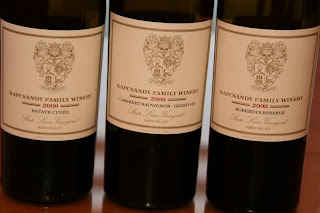
Since the inaugural vintage, I’ve been impressed by the wines of Lou Kapcsándy and his estate just outside of Yountville. Lou, who founded a construction company in Seattle, came in contact with the American wine business when he built the winery for Chateau Ste Michelle and Columbia Crest in Washington.
The Kapcsándy family moved to California in 1962, and wine slowly became a more important part of the daily life for Lou and his wife Roberta. At that time, there wasn’t too many wineries up and running, but Lou visited the very few that were operation in Napa Valley and Sonoma at the time. Later on, in 1998, he started to import fine wines from France, mostly from Bordeaux, and from his homeland Hungary.
For many years, he had been a huge fan of the Private Reserve Cabernet Sauvignon from Beringer, and he noted that the Cabernet grapes from the State Lane Vineyard in Yountville very often constituted a significant part of the blend. When he sectrely heard that this vineyard was for sale in 2000, he put a bid on it and bought it. At the time, the vineyard was heavily hit by phylloxera, and Beringer, who since 1975 had a 30 year long lease on farming the vineyard, had cancelled the contract already in 1999, with a new contract to buy grapes the remaining five years.
The truth is that Beringer had wanted to buy the vineyard and replant it, if they had been given such an offer. Instead Lou Kapcsándy bought the vineyard before Beringen knew if was out for sale.
When Lou Kapcsándy took over, he planted the vineyard according to Bordelaise methods, with higher density and lower trained vines, he also changed the row orientation to obtain a more optimal effect of the sun and the airflow. He also made deep analysis on the soil, so he could plant the right grape variety and clone in the perfect matching soil.
The result has since the first vintage 2003 been remarkable, and the wines from Kapcsándy are already now among the finest produced in Napa Valley. Behind that quality and style, one finds a small state of the art and ultra clean winery, a sorting of grapes that is unparalleled, and an ambition that is sky high. Only French oak barrels of the finest quality are used.
Alcohol levels were a bit higher in the 2008 vintage compared to previous vintages, and I hope this was an exception from the rule. Neither Lou Kapcsándy nor his winemaker Denis Malbec is very keen on high alcohol levels, they opt for a maximum strength of 14.5 percent, but most often the alcohol is normally in the range of 13.5 to 14.0 percent.
I must say that these wines are among the finest ever made at this estate. Still I can’t get the outstanding 2007s from my memory. I just tasted the 2007 State Lane Vineyard Cabernet Sauvignon (below called "Grand Vin" in the 2008 vintage), which an absolutely stunning effort and a wine of great complexity, although still very youthful and marked by its classical structure. To be honest, you don’t have to look for any given vintage to find pleasure here, you just have to work hard find any bottle at all. And when you do, you’d better buy it.
The total production is around 4 000 cases of wine per year, and every single bottle comes from their own 6.50 hectare State Lane Vineyard.
2008 Endre / 90 p
According to Lou Kapcsándy, this is not a second wine, but another wine. “We put as much efforts in this wine as in the other wines, it’s just a wine with a lighter and more fruity body and leaner palate, made to be enjoyed earlier”, winemaker Denis malbec told me on my last visit at the estate. It’s a blend of about 55 percent Cabernet Sauvignon, 25 percent Merlot, 15 percent Cabernet Franc and a splash of Petit Verdot, all grapes from the estate vineyard. The wine was matured in French oak barrels, 80 percent new, for about 20 months.
As the intention was explained to me, this wine is clean and fruit forward with a sweet dark berry scent, quite elegant and easy to drink thanks to its lean texture with just a fine tannic structure. Style wise it’s related to the more serious wines (sorry for this comment, Denis) of Kapcsándy, but it doesn’t have the weight or the mid palate, or the intensity of flavor or the length. However, it’s good and very drinkable wine.
Drink it 2012-2018
2008 Estate Cuvée / 95 p
The estate cuvée is made to display the personality of the site, and the blend will vary quite a bit from year to year. In this vintage, the wine is made of 68 percent Cabernet Sauvignon (a relatively high proportion), 22 percent Merlot and five percent each of Cabernet Franc and Petit Verdot. It was bottled after 20 months in 70 percent new French oak barrels.
Color is young, dark purple and almost opaque. Although it’s just a baby, the nose is open and offers a great bouquet of ultra pure, sweet and intense dark berry fruit with loads of cassis and blackberries, still it’s overall a very elegant wine with a youthful oak sweetness. What I really liked when I tasted it, and had it in the glass for around 20 minutes, was how slow but well it developed in the glass. Don’t forget it’s a very young wine, it’s should be (and it is) packed with primary aromas, yet I almost wrote complexity in my first tasting notes. On the palate, it is rich with that same purity I always find in the wines from Kapcsándy, they really can afford to use only the very best grapes, therefore the texture is lush and silky and just held together with a very fine tannic structure. The oak is well integrated, although at this stage just a bit toasty. Consider the youth of this wine, the finish is very long, and delicious.
Drinking it in the coming few years, I’d give it at least one hour in the decanter, and I’d pour it in large Bordeaux glasses. But I recommend a few more years of bottle age, and then the true complexity will be there.
Drink it 2013-2028
2008 Estate Cabernet Sauvignon Grand Vin / 98-100 p
This is another absolutely stunning effort of this wine, just like the 2007 vintage of it. In this vintage the blend was 87 percent Cabernet Sauvignon, five percent each of Merlot and Cabernet Franc and just three percent of Petit Verdot. It was kept in French oak barrels, 85 percent new, for around 20 months.
As the Estate Cuvée, the color is dark, almost opaque, but the rest is quite different although you’ll see the house style. First of all, the nose is just stunning, totally amazing in its intensity and concentration, which however doesn’t make the wine overblown in any sense. On the contrary it’s so elegant thanks to its purity and freshness, and in contrast to the Estate Cuvée, there are already those complex Bordeaux like notes of cedar, lead pencil and grassiness (which is not unripness, but a quality sign on a perfect harvest decision). Still the fruit is dark, a bit sweetish and just lovely. On the palate it’s very rich with a great intensity, good mid palate and lingering aftertaste, it is well held together by the firm but perfectly ripe tannic structure, and thanks to the acidity the taste is fresh. Neither oak nor alcohol stands out, which is another sign of a very great wine, but there is s slight oak bitterness in the very finish of the taste, which is totally natural is a young wine like this.
As for the Estate Cuvée, some more years of bottle age is recommended, and the serving recommendations are the same. This wine though, would most likely live much longer.
Since it was only made in 400 cases, and Robert Parker gave it a perfect 100 point score, it will be very hard to find. However, it’s well worth trying!
Drink it 2014-2038
2008 Roberta’s Blend / 98 p
I have said many times that the Roberta’s Blend is one of the very best Merlot wines in the world. This vintage is another proof of that statement. In this vintage, there’s just four percent of Cabernet Franc in the blend, and the wine was raised in brand new French oak barrels for 18 months. “This vintage may well be the best we’ve achieved so far”, Lou Kapcsándy said when we tasted the wine together, and I’m willing to agree. As in the others wines, color is impressive, as is the nose. It boasts of dark ripe fruit, loads of blueberries, blackberries and cassis, and there’s also a very fine note of hazelnuts and dark chocolate from the oak, that marries just perfect with the fruit. On the palate, it’s richer than the Grand Vin, still the structure is there to make it totally dry and perfectly well balanced, and it’s just a wonderful wine with a great intensity and energy, and it will be a lolely wine to keep at least ten years to see how the complexity evolves over the years.
Serving recommendation is the same as for the other wines.
Drink it 2012-2033
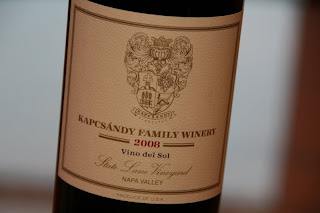
2008 Vino del Sol / 95 p
This is a fun little sweet wine, made in a different way than in the 2007 vintage, when it was made entirely from dehydrated Merlot grapes from Roberta’s Block. In this vintage, it’s a blend of 47 percent Merlot, 34 percent Cabernet Sauvignon, 15 percent Cabernet Franc and four percent of Petit Verdot. The grapes were crished and fermented in steel tanks to around five to seven percent of alcohol before a neutral local brandy was added to stop the fermentation and leave around 90 grams of residual sugar in the wine and out the alcohol strength at 17.6 percent.
This port styled wine is lovely, loaded with sweet and delicious flavors of sun ripe blueberries, black currants and blackberries, and although it’s high in alcohol, it’s much smoother than most ports. Acidity is fine rather than lively, but it gives some needed freshness to the taste. I find it to be a delicious that I’d love to serve at around 16-18 degrees Celsius in medium size glasses to matured blue cheeses, or (which I prefer myself) to rich chocolate desserts.
Drink it 2011-2020




 | ||
|
+102 |
141 |
АСНУ - движение вперед! |
|
+70 |
106 |
World Weapon |
|
+66 |
91 |
Sergei Davidis |
|
+63 |
109 |
STROIKA24.EU |
|
+39 |
110 |
Автоклуб78 |
 | ||
|
-2 |
22 |
БИЗНЕС - ЗДОРОВЬЕ - ЖИЗНЬ |
|
-9 |
4 |
Японская_Джульета |
|
-10 |
3 |
Prestissima |
|
-12 |
96 |
Artemy Velker |
|
-13 |
55 |
Найти работу? Легко! Все об эффективном поиске работы. Шаблоны р |

Загрузка...

взяты из открытых общедоступных источников и являются собственностью их авторов.